Your Complete Landscape Partner
Montana ground. New rules. One contractor who knows both.
Screened topsoil, drought turf, watering limits. The rules changed three times in three years. We had the equipment before they did.
We Handle Everything From The Soil Up
0+
Yards of topsoil screened per day, on site.
Soil, grading, irrigation, planting, and the care that keeps it all alive afterward. Most projects here get split between three or four contractors who each blame the other one. We do the whole thing, so there is one company to call and one company responsible.
Commercial Projects
We work on a construction schedule, and we understand what being late costs. General contractors and developers bring us in early because we tell them what the site will really cost before the drawings lock.
Get Started
Homes & Properties
We start by asking what you can spend, not what you dream about. Then we design something that fits it, and we tell you honestly what things cost along the way.
Get Started
What Do You Want To Do?
Build A New Project
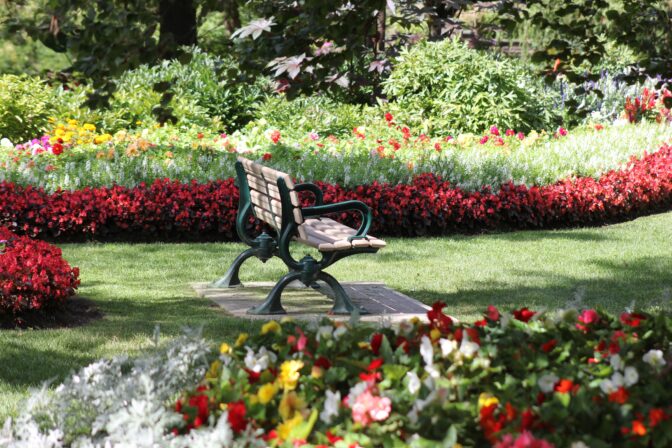
Transform My Property
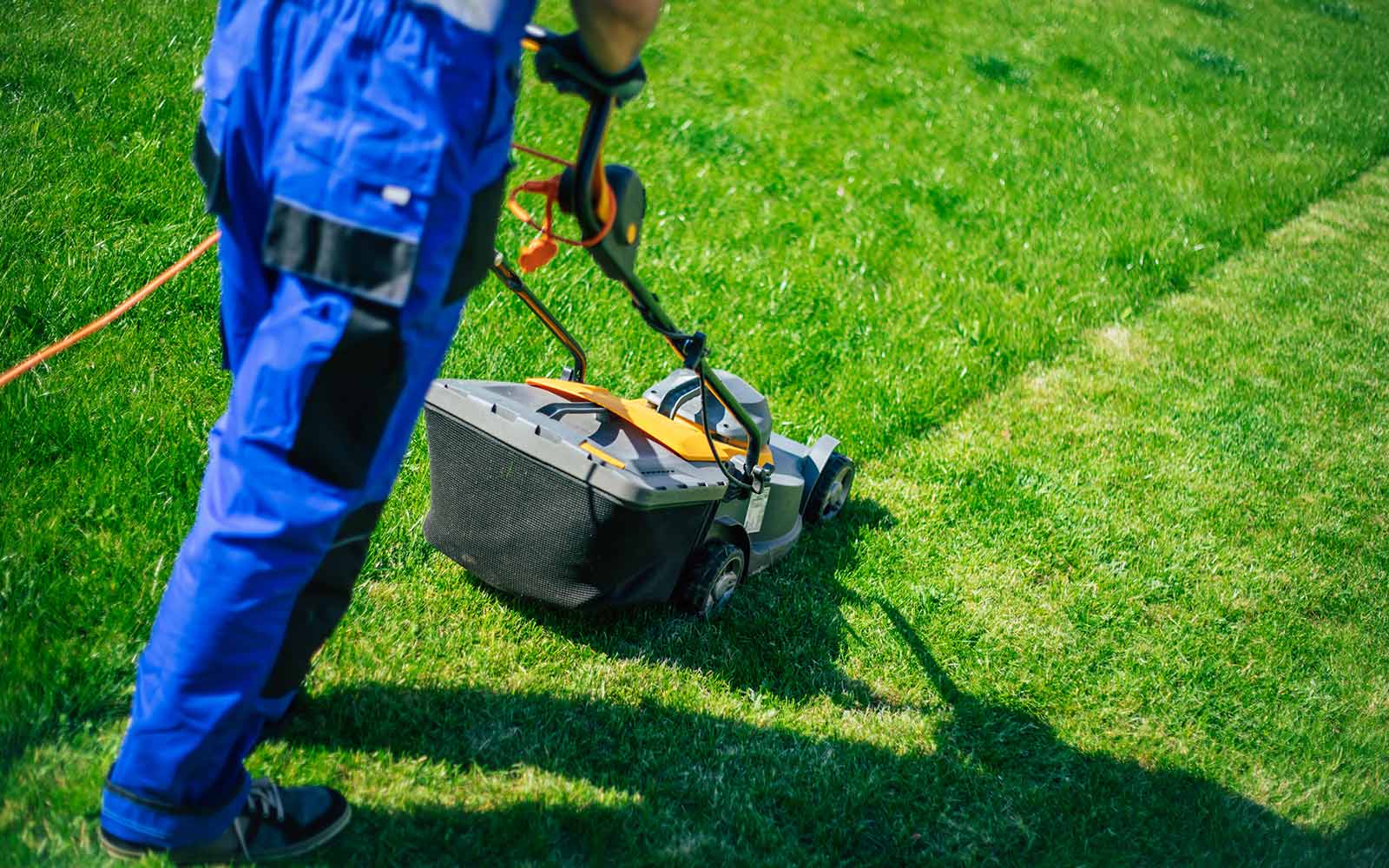
Maintain My Property
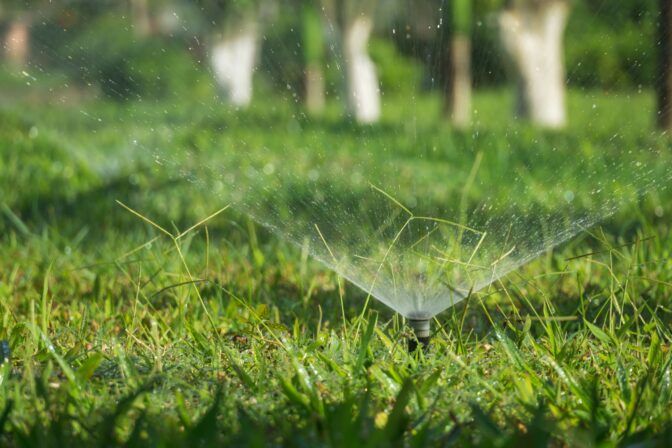
Plan My Property
Everything A Site Needs, In The Order It Happens
01.
02.
03.
04.
05.
06.
The Same Four Steps, Whether It Is A Building Or A Backyard
Commercial projects, home properties, and annual care all start the same way. We find out what you are actually working with before anyone quotes anything.
01 Tell us where you are
Send us a drawing set, a property address, or last summer's water bill. We do not need you to know what you want yet. We need to know what you are working with and what has to be true when it is finished.
02 We look at the ground
For a project still in design, that means a plan review: constructability, substitutions, and a check against the engineer's estimate. For a property, it means walking it, flying it, and testing what is under the surface. Either way, we look before we price.
03 You get a real number and date
Not a range that moves later. A budget you can build against, a schedule you can plan around, and an honest answer about what will not fit. If it cannot be done for what you have, we say so now instead of in August.
04 We build it, then we maintain it
We show up when we said, finish without leaving a punch list behind, and stay on afterward if you want us to. The company that built it is the only one that knows how it was built.
Tell Us What You Need
Drop Us Email
infoecovers@gmail.com
Tell Us What You Need
Water In This Valley Is Not Getting Cheaper Or Easier
Bozeman is under permanent watering restrictions and rates keep climbing. New rules govern your soil, your turf, and your irrigation. What goes in the ground today decides what you pay every month for the next twenty years.
Built For The New Rules
Six inches of screened topsoil. Drought tolerant turf that cannot be sodded. We had the equipment and the answers before most of the valley needed them.Designed To Use Less
Healthy soil holds water. Tuned irrigation stops wasting it. We build both in from the start instead of handing you the bill later.Measured, Not Promised
We record what your property used last season, tune the system, and show you the difference. If it did not improve, we tell you that too.Most lawn companies get paid to keep grass growing fast.
We price the year, not the visit. Healthy soil means fewer cuts, and that is our problem to solve, not your bill.
Your Most Important Questions Answered Here
Does Bozeman require screened topsoil on new construction?
Yes. Current requirements call for the top six inches of a site to be screened topsoil, which is a soil logistics problem before it is a landscaping one.
There are three ways to handle it. Strip the site and haul everything off, then buy screened topsoil back and truck it in, which means paying for the same dirt twice. Stockpile it in a corner and screen late, once the site is built out and there is nowhere to work. Or screen it on site the day the site is stripped, stage only the volume the plan calls for, and let the excess become an asset rather than a disposal cost. We do the third one, at roughly [X] yards per day.
Should I use seed or sod in Bozeman?
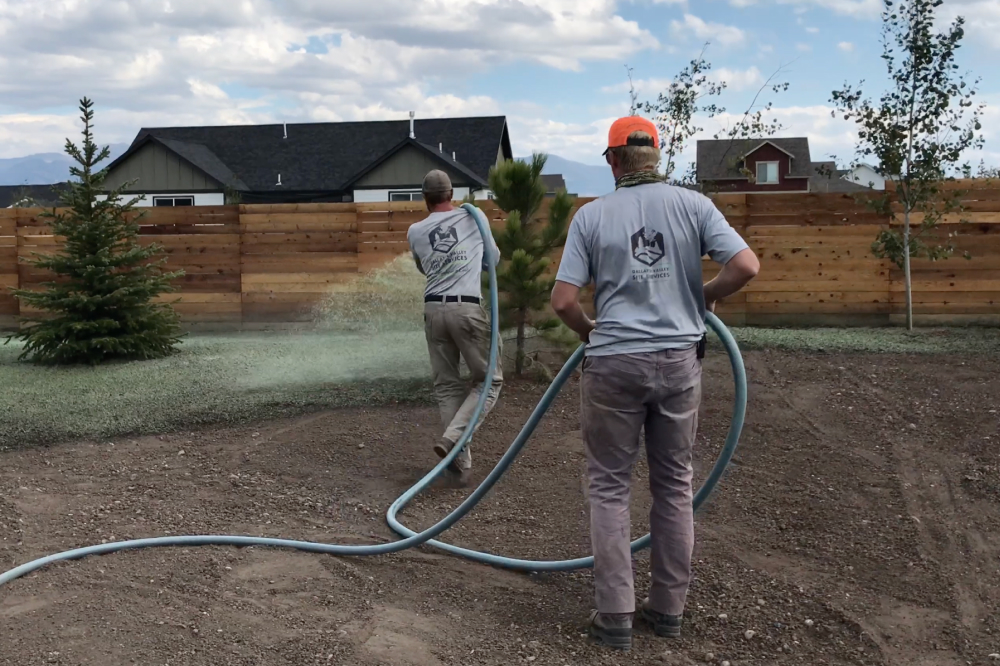
For most new lawns in the Gallatin Valley, hydroseed. The drought tolerant and native grasses now commonly specified here cannot be sodded, so seed is the only viable method for them.
This is a local answer, not a universal one. In Billings and other Montana markets with less water pressure, Kentucky bluegrass sod is still normal and still makes sense. In this valley, water rules have pushed turf selection toward blends that only establish from seed. Hydroseed also handles slope stabilization and erosion control, which matters if your project carries a stormwater permit.
How much does it cost to landscape an acre property near Bozeman?
Most new homes on an acre are built with ten to twenty thousand dollars set aside for landscaping. A full property with irrigation and fencing usually lands closer to eighty to one hundred thousand.
That gap catches most people by surprise, and finding out late is the worst way to find out. The number moves with grading needs, irrigation scope, how much hardscape is involved, and plant sizes. It can also be phased across two or three seasons, which is what most people end up doing once they see honest numbers.
Why is my water bill so high in Bozeman, and what actually lowers it?
Bozeman is under permanent watering restrictions and rates continue to rise, but most residential overwatering comes from a handful of fixable things nobody has looked at in years.
Common findings: heads watering sidewalks and driveways, coverage gaps that get compensated for by running everything longer, leaks below grade that never surface, and a controller still running the schedule it was set to when the house was built. Smart controllers that adjust to local weather help. So does soil health, because a plant with what it needs draws less water than a starved one. A starved plant and a thirsty plant look nearly identical, which is why the instinct to add water so often treats the wrong problem.
When should I start planning a landscaping project?
January or February for a project you want built that same year. By the time the weather turns, most of the season is already booked.
Winter is when there is time to design properly and time for you to think about it. Starting in November or December for the following spring is not too early. Starting in May usually means waiting on next year's calendar, or accepting whatever slot is left. Early planning also lets us order plant material against real availability rather than hoping something is in stock when we need it.
What is the difference between a landscaper and a site services contractor?
A landscaper installs plants and turf. Site services means one company handling the whole scope: soil, grading and drainage, irrigation, turf establishment, planting and hardscape, and the annual care afterward.
The practical difference is who is accountable when something goes wrong. On a split scope, the irrigation contractor, the fencing contractor and the landscaper each have a reason to think the problem belongs to someone else, and you are the one standing in the middle. That is why we named the company what we did, and it is the standard we hold ourselves to.